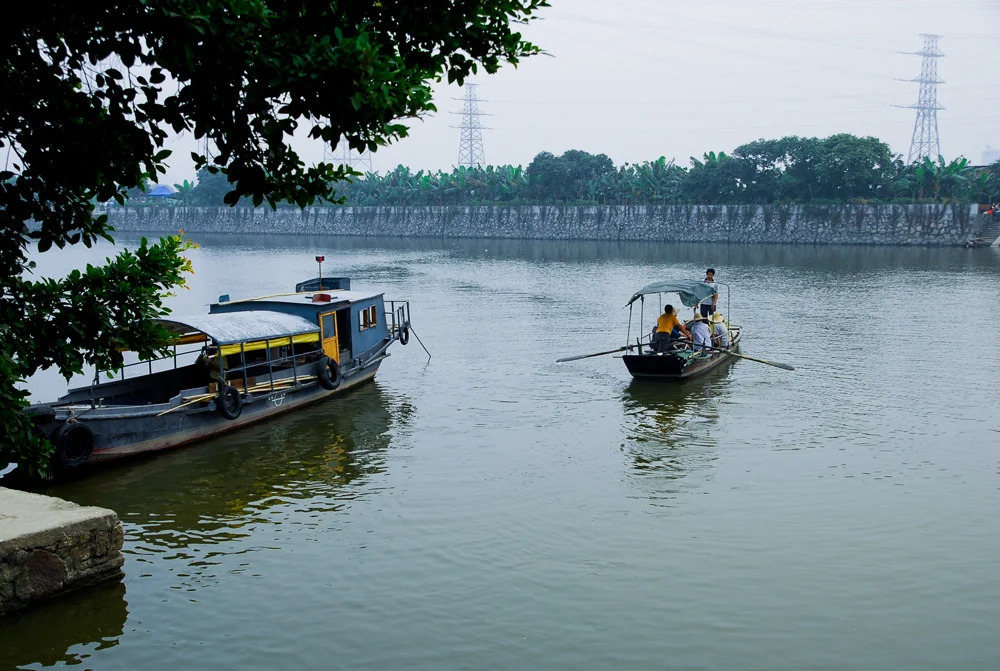
Haizhu
Huangpu Ancient Port & Village
A historic walking area connecting Huangpu Ancient Village, Huangpu Straight Street, ancestral halls, the maritime-customs memorial and the oldest port of Guangzhou.
Open on the map →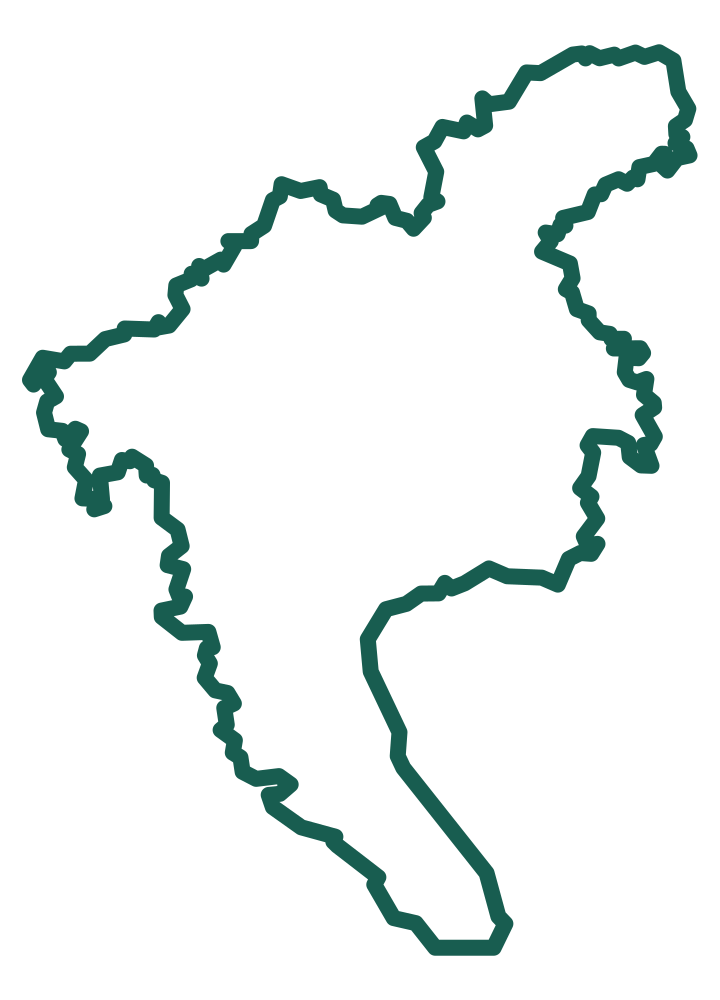 Zou GuangzhouPlan, Share, Zou!
Curated Guangzhou guide
This collection focuses on places that help visitors understand Guangzhou itself: its history, architecture, religion, trade and Cantonese culture.
View this collection on the map →A historic walking area connecting Huangpu Ancient Village, Huangpu Straight Street, ancestral halls, the maritime-customs memorial and the oldest port of Guangzhou.
Open on the map →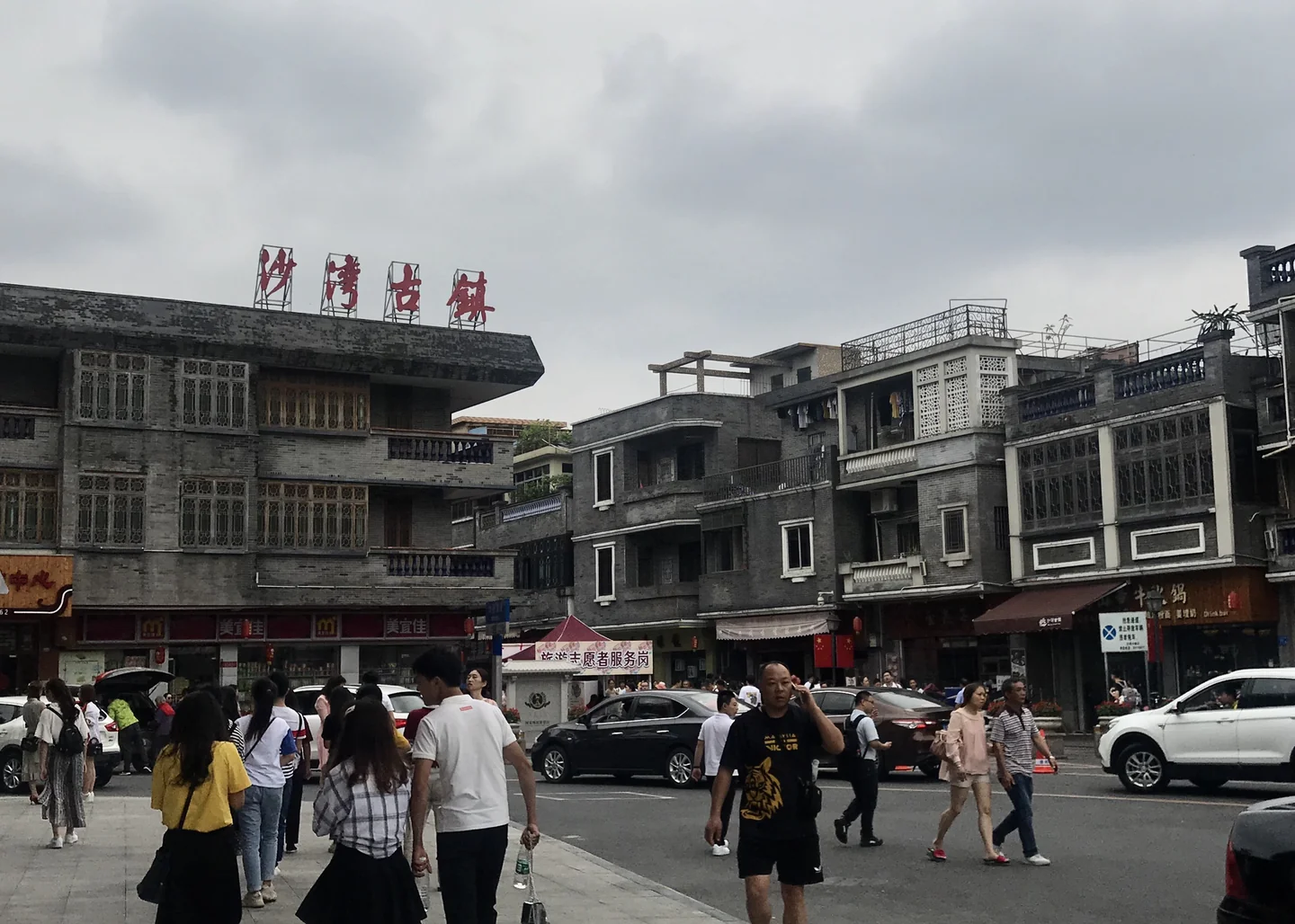
The shaded area covers Shawan's historic-town core, including its traditional lanes and ancestral-hall district — not the much larger modern Shawan subdistrict.
Open on the map →
Despite being highly advertised as his house, Bruce Lee himself never actually lived there. Still a nice place to get an inside look at traditional Xiguan residences and grab a picture as you wander the alleys of YongQingFang.
Open on the map →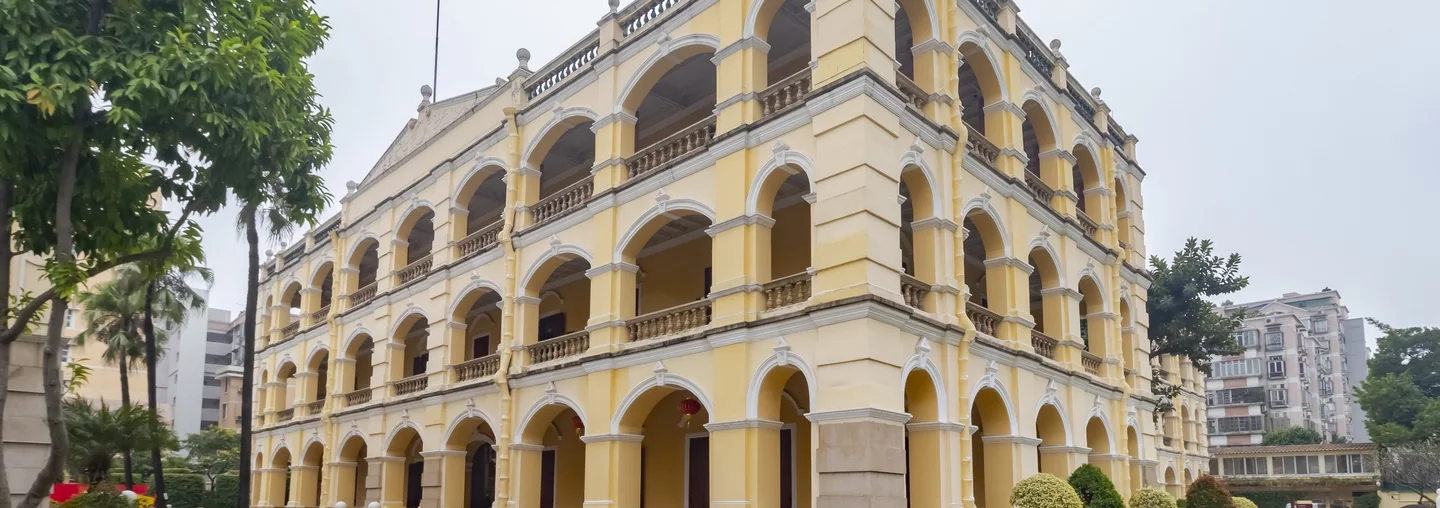
A museum in the former headquarters where Sun Yat-sen established his Guangzhou government. Exhibits cover the mansion and his revolutionary years.
Open on the map →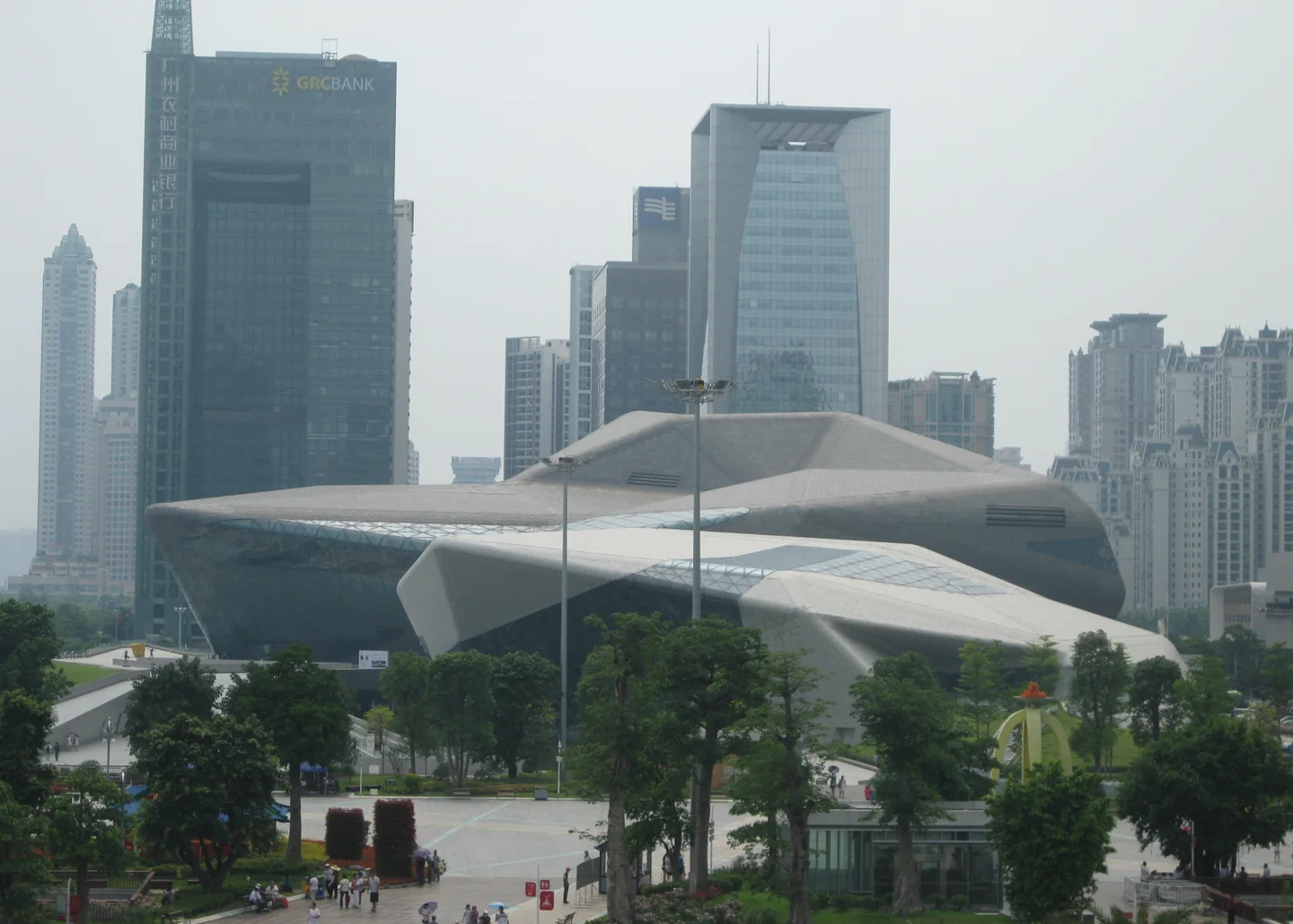
Designed by famous architect Zaha Hadid, the Guangzhou Opera house is an iconic building and a must-visit location for photographers!
Open on the map →
A shaded Xiguan heritage block of traditional lanes and residences between Baohua Road and the Yaohua streets, with the stone-paved Yaohua Street as its clearest photography focus.
Open on the map →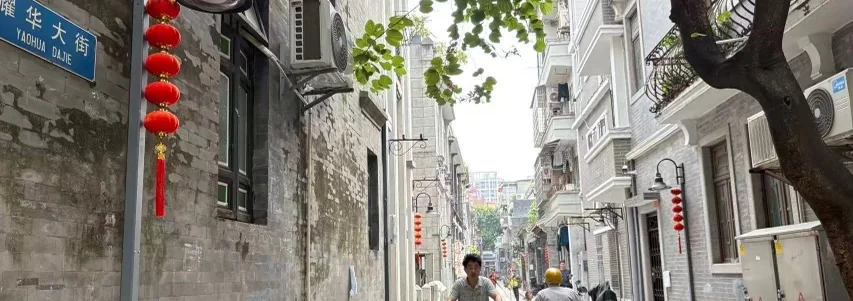
The stone-paved historic lane and Xiguan façades at the heart of the larger Yaohua Street Historical and Cultural Block.
Open on the map →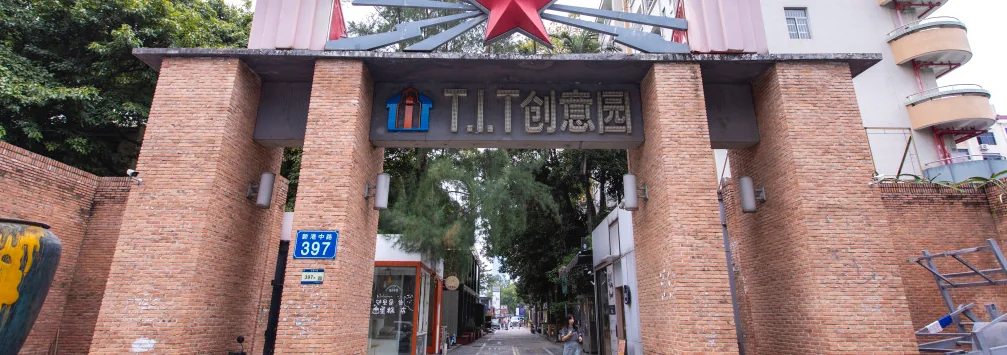
A shaded former textile-machinery factory campus reused for fashion, design and technology offices, with garden-like lanes and preserved industrial buildings.
Open on the map →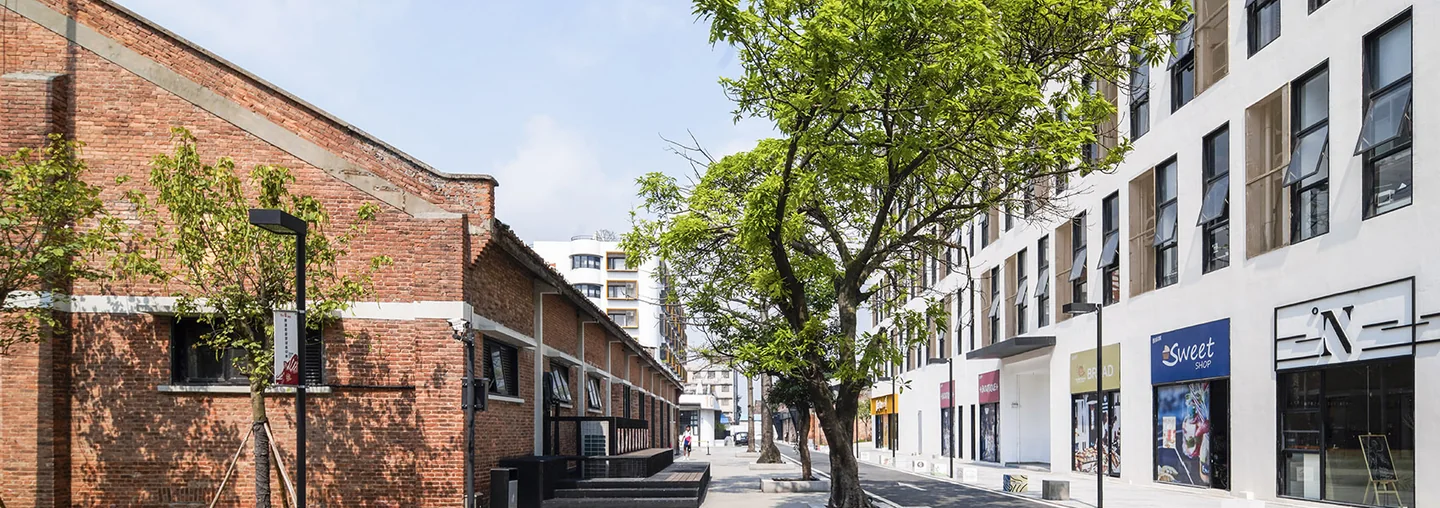
A shaded riverside walking area through a creative campus in converted industrial buildings, combining murals, art and casual commercial spaces.
Open on the map →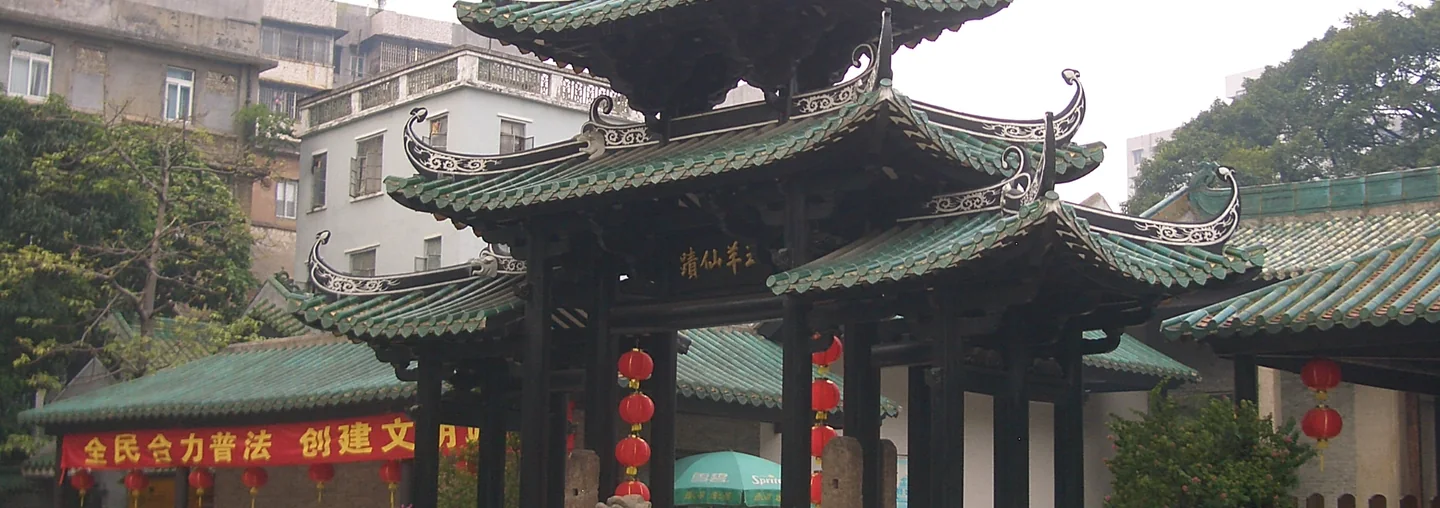
Yuexiu District's museum at the historic Five Immortals Temple, with exhibitions on Guangzhou's urban history, flower-market traditions and notable figures of Lingnan.
Open on the map →
A landmark Gothic stone cathedral and one of central Guangzhou's most recognizable architecture photo stops.
Open on the map →
A museum inside the Xiangxue Pharmaceutical campus explaining the origins, ingredients and intangible-cultural-heritage traditions of Guangdong herbal tea.
Open on the map →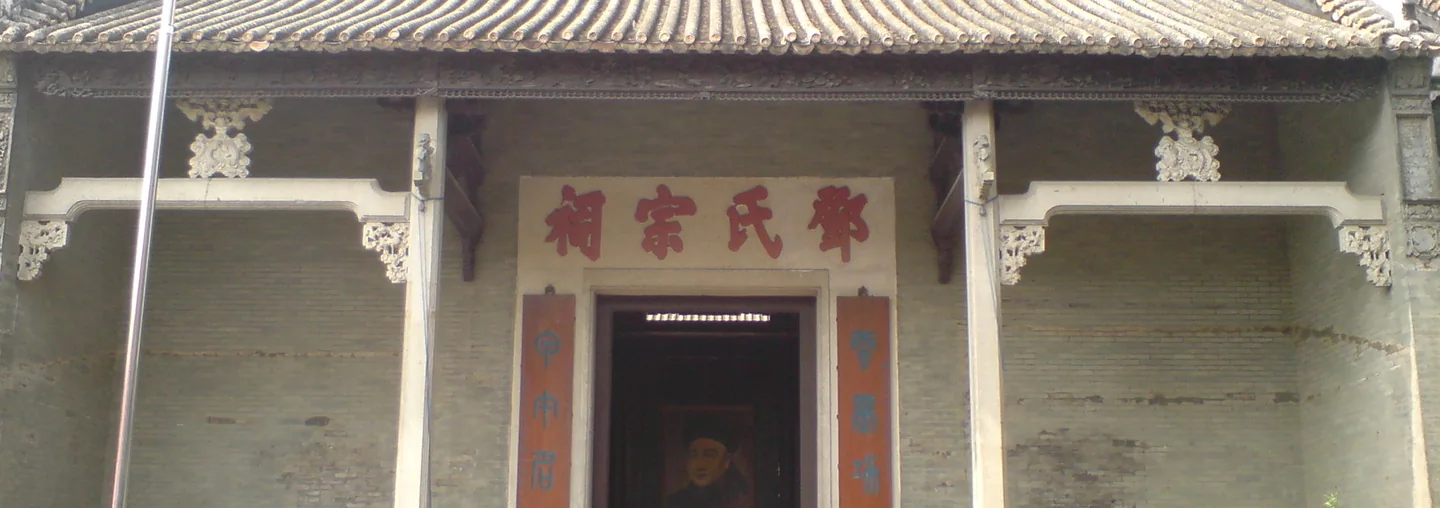
Haizhu's district museum, co-located with the Deng Shichang Memorial Hall in the historic Deng clan ancestral hall.
Open on the map →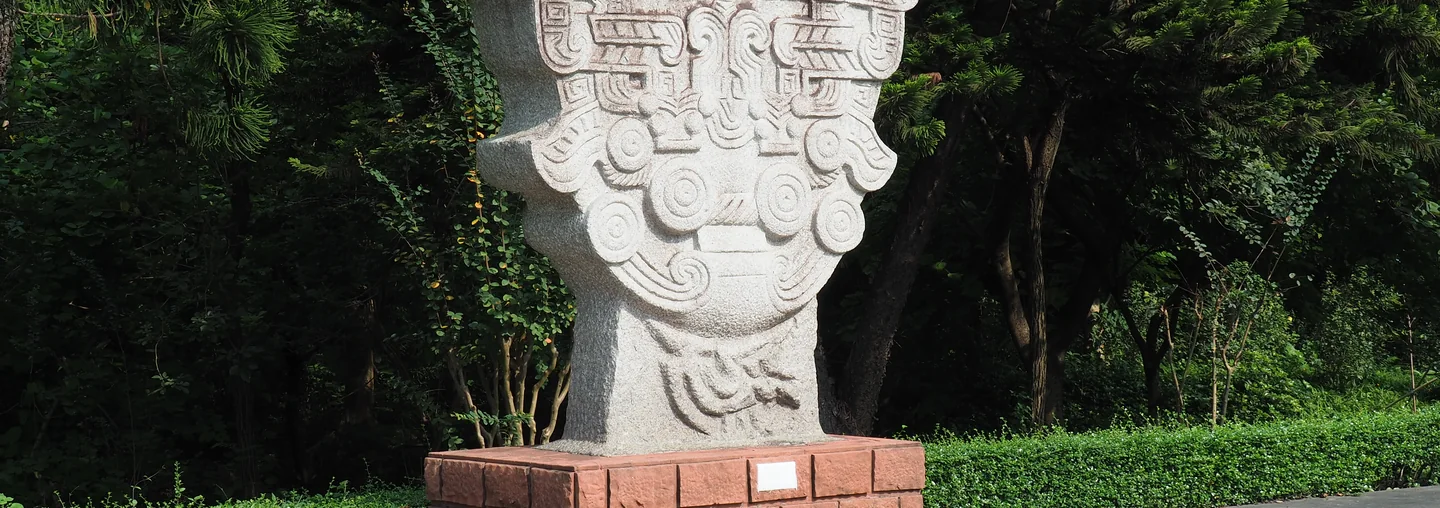
Guangzhou's sculpture-themed park, combining landscaped green space with large outdoor works tied to art, history and the city.
Open on the map →
A walk-around creative compound adapted from an old industrial site, with preserved red-brick and Soviet-influenced buildings, small shops, cultural spaces and photo settings.
Open on the map →
A surviving section of Guangzhou's Ming-era city wall inside Yuexiu Park, near Zhenhai Tower and the park's southwest side.
Open on the map →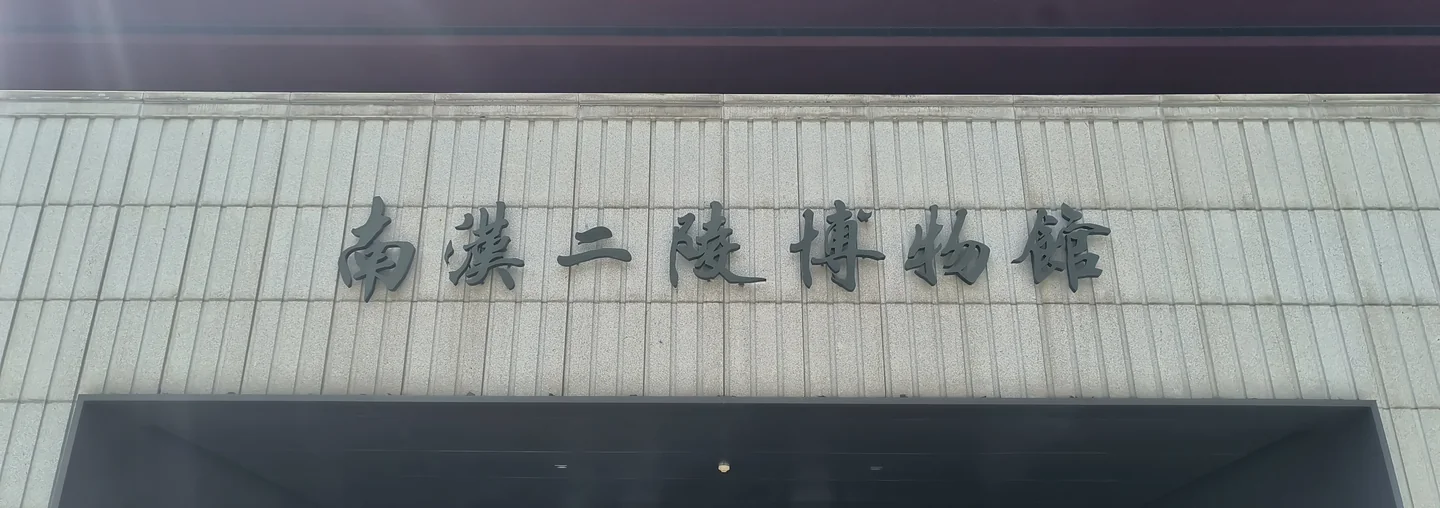
An archaeological museum centered on the South Han dynasty's Deling and Kangling mausoleums, with exhibitions on South Han history and Guangzhou archaeology.
Open on the map →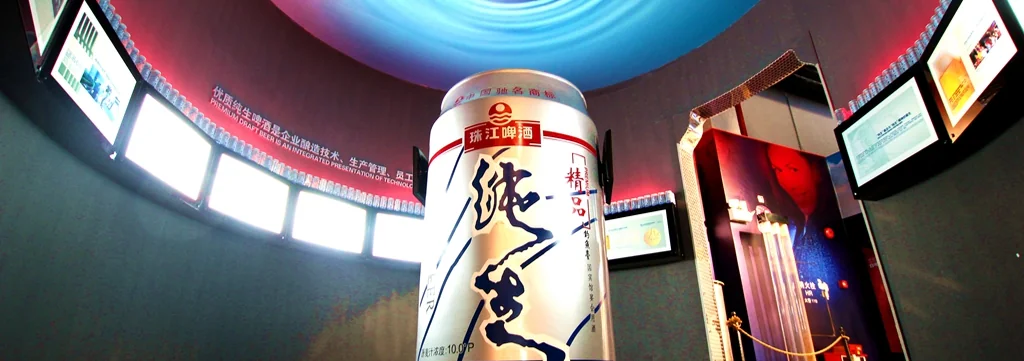
A museum covering brewing history, production culture and the story of Pearl River Beer.
Open on the map →
The Rainbow Bridge landmark and surrounding streetscape near Xihua Road and Rainbow Bridge Metro Station.
Open on the map →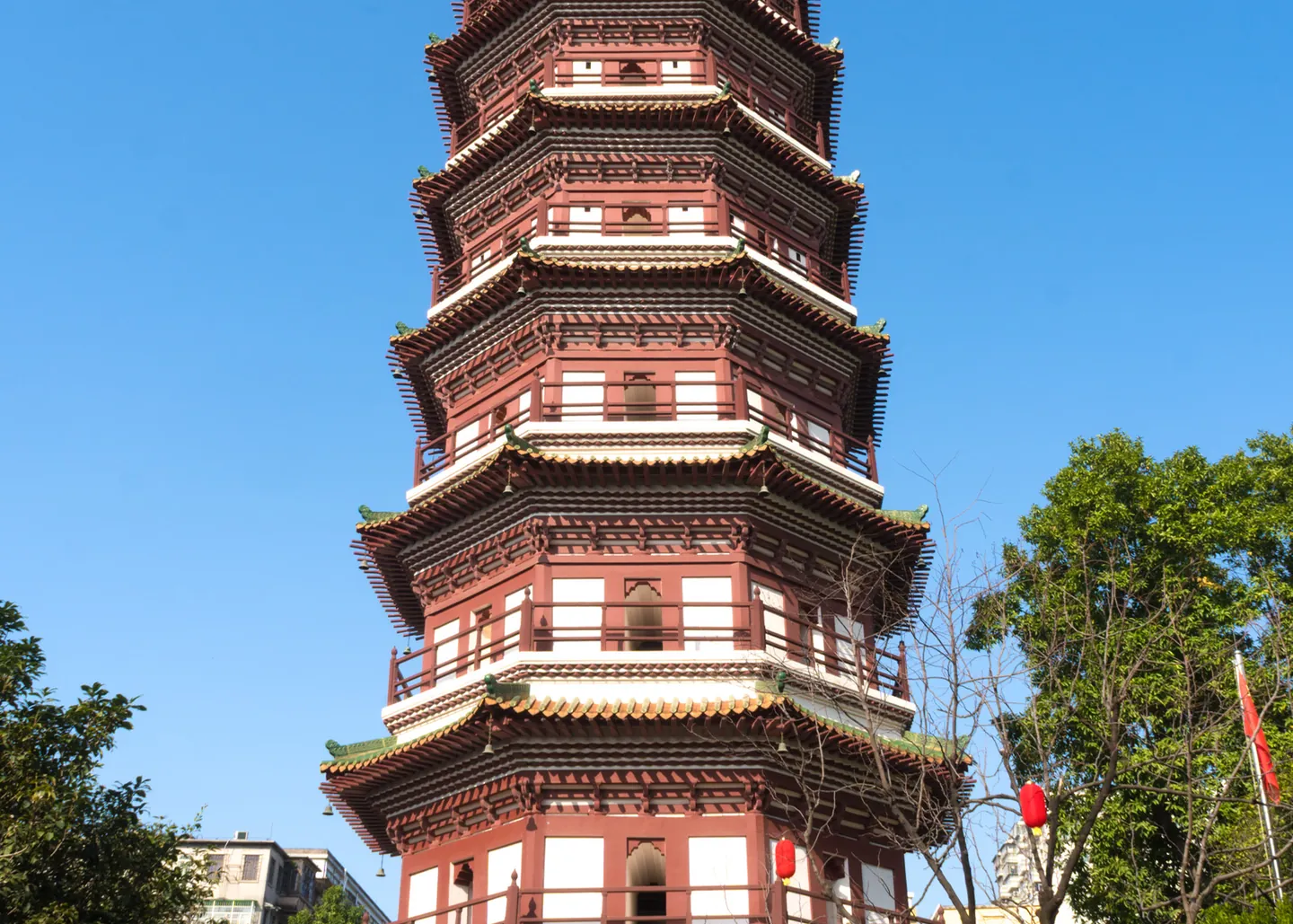
One of Guangzhou's best-known historic Buddhist temples, centered on the Flower Pagoda and long associated with Su Shi's ‘Six Banyans’ inscription.
Open on the map →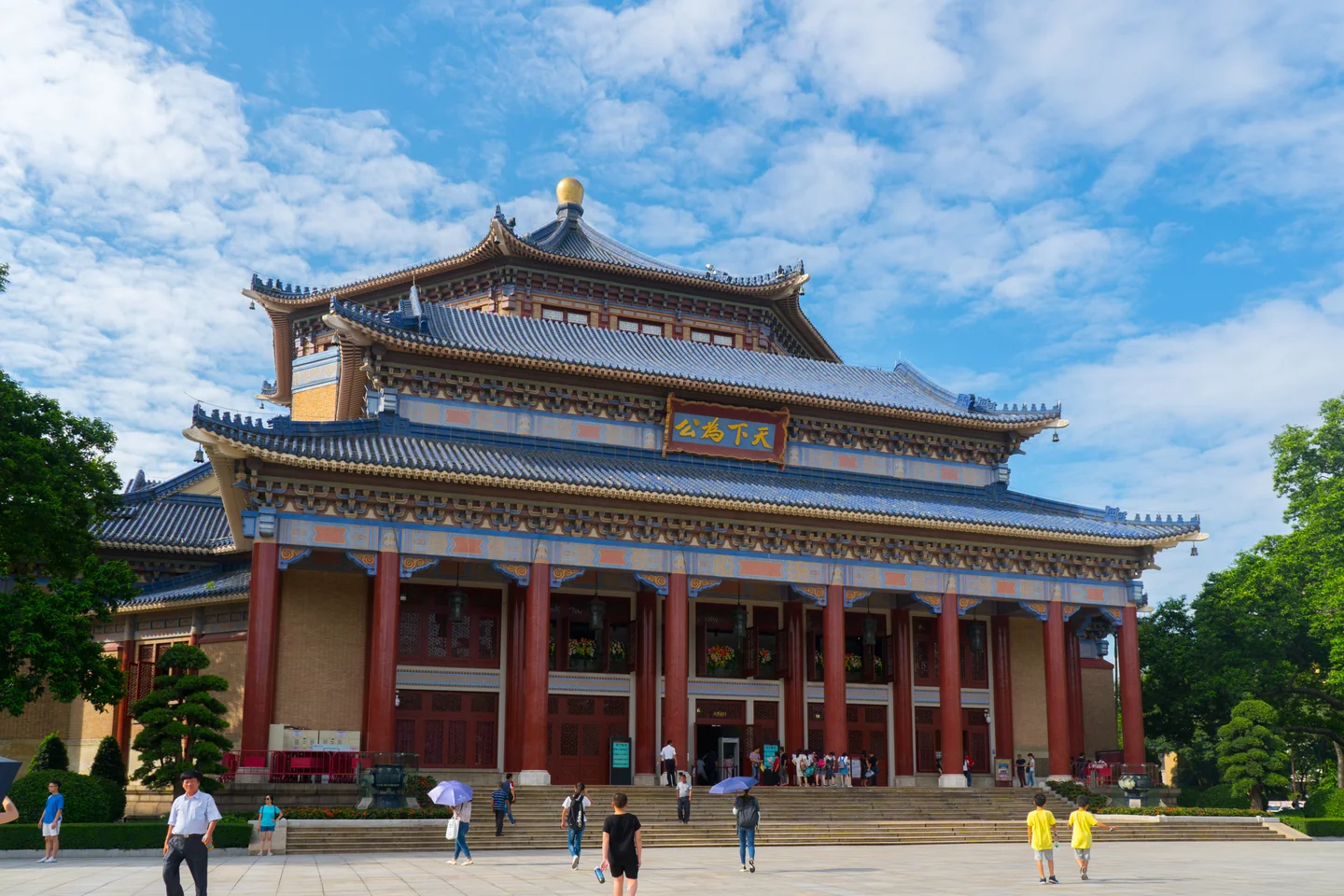
Guangzhou's monumental 1931 memorial hall to Sun Yat-sen, a major city-axis landmark designed by Lü Yanzhi.
Open on the map →
A garden-style museum combining exhibitions on Chinese and Lingnan medicine with living displays of medicinal plants.
Open on the map →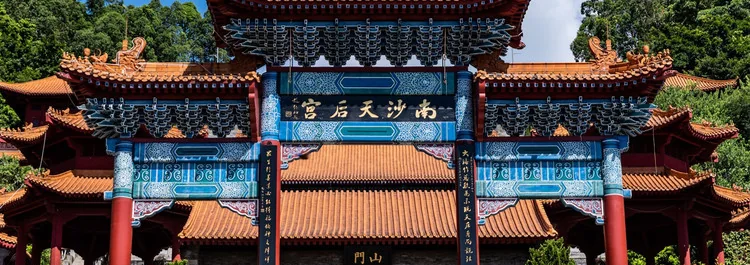
A verified eastern entrance to the Tin Hau Temple visitor area and a useful anchor for the adjoining coastal park.
Open on the map →
Lychee Bay is best understood as a canalside walking area rather than a single attraction. The highlighted route follows the water corridor while visitors use the adjacent public streets and paths.
Read the local guide →